


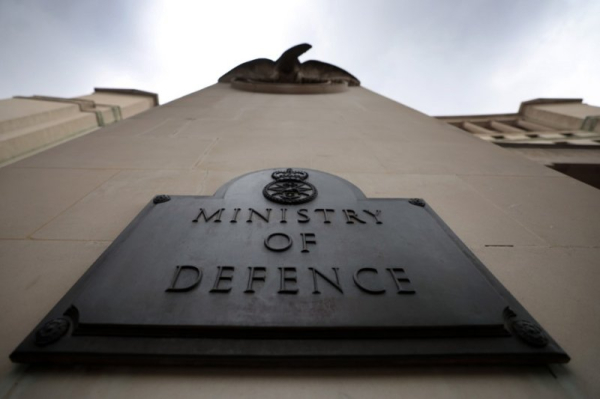
The British government unveiled its long-delayed Defense Investment Plan with a commitment to spend an additional $19.9 billion over the next four years, only a little more than half the $37 billion defense ministers and the military had been seeking. File photo by Andy Rain/EPA
The British government published its long-delayed Defense Investment Plan with a commitment to spend an additional $19.9 billion over the next four years, only a little more than half the $37 billion defense ministers and military brass had been seeking.
No. 10 said in a news release Tuesday that the extra money will boost total spend between now and 2030 to $395 billion, with the biggest money going on the country’s submarine nuclear deterrent and nuclear-capable fighter aircraft, replacing weapons and munitions gifted to Ukraine, a new next-gen fighter, making drone warfare a key defense priority and upgrading bases and air defenses.
The approximate $100 billion a year spending compares with $71.6 billion a year before the Labour government came into office in summer 2024, but Prime Minister Keir Starmer confirmed in a speech at a drone manufacturing plant outside London later in the day that the new money would come from shaving 1% from the budgets of other departments.
The government said the plan, which was unveiled 18 months late, would transform the U.K. military by raising spending to its highest level since the Cold War with cutting-edge equipment to ensure “Britain’s Armed Forces will be ready and equipped to fight the wars of today and the future.”
It also claimed the package would create almost 60,000 extra direct and indirect British jobs by 2030, bringing total employment supported by defense spending to more than 500,000.
“This record investment puts the security of the British public first, transforming our Armed Forces and giving them the funding and equipment they need to fight and defend our nation. The world is a more dangerous and volatile place, so it is only right we are boosting the number of troops on the ground, rebuilding ammunition stockpiles and investing in cutting edge technology to ensure we outpace our adversaries for generations to come,” said Starmer.
The government upped the commitment by $2 billion in the wake of the departures of defense and armed forces ministers who resigned earlier this month in protest, saying the money in the government’s initial plan would leave the country at risk at a time of rising threats.
But even when enhanced to $395 million, the defense budget will still only amount to 2.7% of GDP, compared with the 3% figure mandated by NATO, despite DIP’s authors describing it as a NATO-first defense policy delivering the “biggest contribution” to the military alliance since its founding in 1949.
Starmer, who resigned on June 22, said some of the extra spend would be funded by canceling some road and energy projects, but essentially said it would be up to his replacement — most likely former Manchester Mayor Andy Burnham — to sort out.
Starmer ruled out more borrowing or slashing public services in favor of defense, arguing keeping inflation in check through strong public finances and maintaining social cohesion played critical roles in the country’s ability to defend itself.
The Treasury later confirmed only $13.6 billion of the $19.9 billion had been found that could be culled from other departments, leaving Burnham with a $6.3 billion black hole in the government’s finances to try to close in his first budget in the fall.
The opposition Conservatives and Liberal Democrats strongly criticized the plan.
“The Defense Secretary resigned 3 weeks ago because he was being forced to make decisions that would make our troops and our country less safe. Today Labour is publishing a Defense Investment Plan that is barely half what the armed forces say is needed, and well below what our allies are spending. Starmer is no longer the real Prime Minister. But he’s underfunding our military in his search for a ‘legacy,'” Conservative Party leader Kemi Badenoch said in an online post.
“If Andy Burnham has signed off on this, then he too is culpable of putting our service personnel at risk with this weak plan. We need to cut benefits to fund our armed forces. It doesn’t matter who leads them, the problem is Labour MPs who won’t do what is necessary to defend our country,” she added.
Ed Davey, leader of the Liberal Democrats, said the numbers in the plan didn’t compute.
“The small print is out, and it looks like Starmer’s Defense Investment Plan is built on fantasy math — leaving a massive funding gap for Burnham to fix. Liberal Democrat plans for Defense Bonds would deliver the real, secure cash boost our forces need,” Davey wrote in a post on X.
Historic June moments through the years
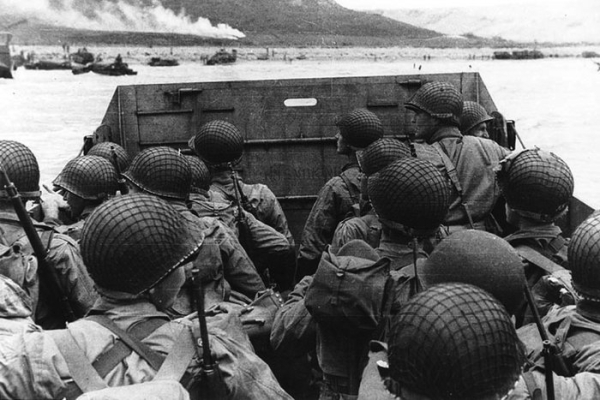
Troops in landing craft approach Omaha Beach on D-Day in Normandy, France, on June 6, 1944. D-Day was the largest seaborne invasion in history and turned the tide of World War II. Photo by UPI | License Photo
