

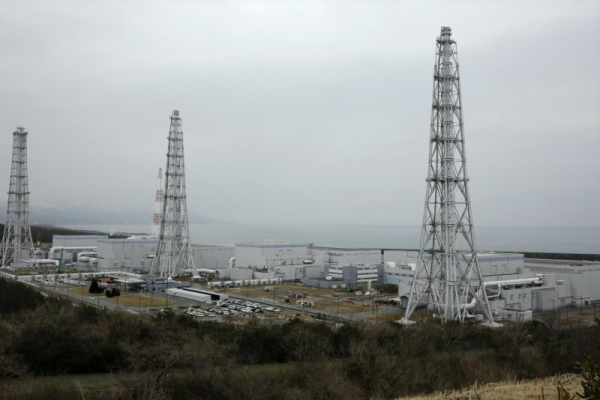
Reactor buildings unit one (L, rear) through unit four (R) stand at Tokyo Electric Power Co.’s Kashiwazaki Kariwa Nuclear Power Plant in Kariwa, Niigata Prefecture, northern Japan, in 2015. The plant has been shut down since 2012 after the Fukushima disaster. On Wednesday, units 6 and 7 went live, and on Thursday they were shut down for an alarm issue. File Photo by Kimimasa Mayama/EPA
Japan’s Tokyo Electric Power Co. shut down a nuclear reactor Thursday morning at the Kashiwazaki-Kariwa nuclear power plant because of an alarm issue just hours after it went live.
The company restarted operations on Wednesday at the world’s largest nuclear power plant by output after it had been down for about 14 years. It had planned to restart Tuesday, but a test revealed a faulty alarm during the removal of a control rod in the No. 6 reactor. After it was fixed, the Japanese Nuclear Regulatory Authority gave its approval for the restart.
TEPCO said Thursday that it would shut down a reactor because an alarm was triggered during control rod withdrawal operations. It had suspended control rod withdrawal at the No. 6 unit earlier in the day. Control rods are used to adjust the nuclear fission of a reactor, and no abnormal levels of radioactivity were detected, Kyodo News reported.
The No. 6 unit was restarted at 7:02 p.m. JST Wednesday, and the alarm was triggered at 12:28 a.m. Thursday.
The Kashiwazaki-Kariwa nuclear power plant is in the Niigata Prefecture, northwest of Tokyo. The reactor was the first to be restarted since the 2011 triple meltdown at the Fukushima Daiichi plant.
TEPCO also operated the Fukushima plant, and it has since struggled to regain public trust. An October survey in Niigata Prefecture showed that 60% of residents believed that conditions for restart had not been met, and 70% had concerns about TEPCO’s site management, The New York Times reported. The final green light was given in December by Niigata’s assembly following a vote.
The week in photos: Protestors, NFL, premieres
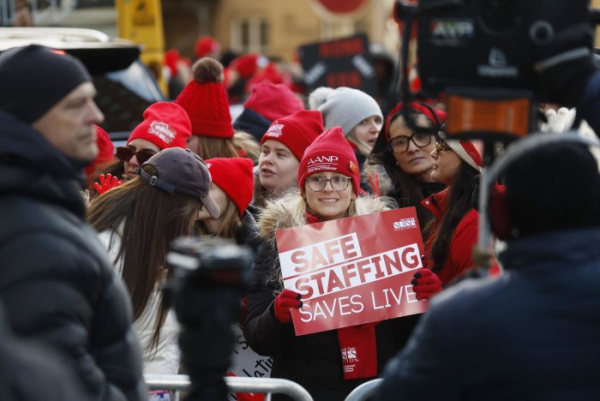
Picketers hold signs outside at the entrance to Mount Sinai Hospital on Monday in New York City. Nearly 15,000 nurses across New York City are now on strike after no agreement was reached ahead of the deadline for contract negotiations. It is the largest nurses’ strike in NYC’s history. The hospital locations impacted by the strike include Mount Sinai Hospital, Mount Sinai Morningside, Mount Sinai West, Montefiore Hospital and New York Presbyterian Hospital. Photo by John Angelillo/UPI | License Photo
